Batteries are widely used in DC power systems of substations, communication base stations, data centers, industrial control systems, and backup power systems. The batteries used in different application scenarios have differences in rated voltage, capacity, number of series connections, and operating requirements. Therefore, when selecting suitable battery testing equipment, voltage range is one of the key factors to consider.
For power equipment testing companies, battery maintenance personnel, and equipment purchasers, testing equipment should not only meet current testing needs, but also be suitable for the operating parameters of actual battery packs. Choosing based on the type of battery and testing purpose can help improve detection efficiency and reduce problems caused by improper equipment selection.
1、 Specify the rated voltage of the battery pack
Before selecting battery testing equipment, the rated voltage of the tested object should be confirmed first. Common types of batteries include lead-acid batteries, valve regulated sealed lead-acid batteries, and lithium batteries, which have different individual voltages and combinations of battery packs.
For example, some backup power systems use 12V batteries, and multiple batteries are connected in series to form battery packs with voltages of 24V, 48V, or higher. The DC power supply system of the substation may adopt a 110V or 220V DC system composed of multiple batteries.
It should be noted that the rated voltage of the battery pack does not equal the actual voltage during the testing process. The charging status, discharging process, and battery operating condition may all affect the measurement results. Therefore, when selecting equipment, the rated voltage, normal operating voltage, and potential voltage range during testing should be considered simultaneously.
2、 Select appropriate testing equipment based on voltage range
Different types of battery testing equipment have different measurement ranges and functions, and procurement should be judged based on specific testing items.
For the detection of individual batteries, a battery internal resistance tester or battery voltage tester suitable for the corresponding voltage level can be selected to measure parameters such as individual voltage and internal resistance, helping maintenance personnel discover batteries with abnormal performance.
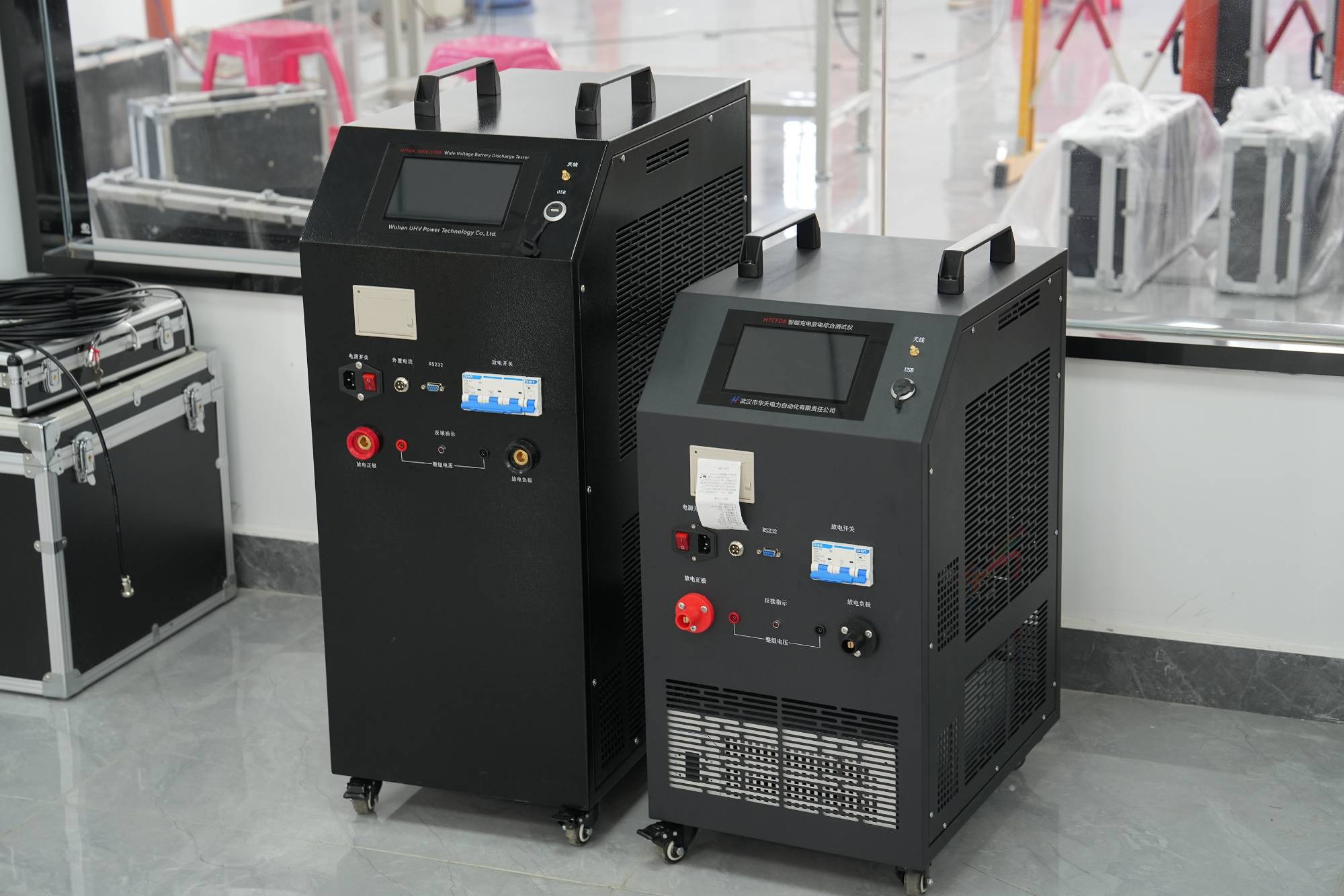
For a battery pack composed of multiple cells, if you need to understand the discharge performance of the entire battery pack, you can choose a battery discharge tester or battery capacity testing equipment. This type of equipment is mainly used to evaluate the capacity performance of battery packs under specified discharge conditions, and some models also support monitoring and recording of parameters such as voltage, current, and discharge time.
If it is necessary to simultaneously check the operating status of individual batteries and the entire battery pack, corresponding testing instruments should be configured according to the testing items, rather than simply determining the equipment model based on the voltage range.
3、 Pay attention to the measurement range and accuracy of the equipment
The voltage range determines whether the equipment is suitable for the tested object, while the measurement accuracy is related to the reliability of the detection results.
When selecting, the voltage measurement range, resolution, measurement error, and applicable testing conditions of the equipment should be checked. For battery packs with a large number of series connections, it is also necessary to confirm whether the equipment supports whole group voltage measurement and whether it can meet the requirements of individual voltage monitoring.
In addition, the working voltage range, discharge current range, and continuous working ability of battery discharge testing equipment are also very important. Especially in substations and large backup power systems, equipment should be able to adapt to actual battery pack parameters and complete testing under specified conditions.
4、 Determine equipment type based on testing objectives
In the actual procurement process, the equipment functions corresponding to different testing tasks may vary.
Battery voltage test: mainly used to check the voltage status of individual cells or battery packs.
Battery internal resistance test: used to measure battery internal resistance or related conductivity parameters, and assist in determining changes in battery performance.
Battery capacity test: Evaluate the actual capacity performance of the battery through the prescribed discharge process.
Battery discharge test: used to monitor parameters such as voltage, current, and time during the discharge process, and to check the discharge performance of the battery pack.
Comprehensive testing of battery pack: Testing voltage, internal resistance, capacity, or other related parameters based on equipment configuration.
Purchasing personnel should determine equipment functions based on specific needs such as daily inspections, regular maintenance, capacity verification, or troubleshooting, to avoid focusing solely on voltage ranges and neglecting actual testing purposes.
5、 Consider safety and on-site usage conditions
The selection of battery testing equipment also needs to consider the usage environment and operational safety. For high-voltage battery packs, it should be confirmed whether the rated input range, measurement port safety level, wiring method, and overvoltage protection functions of the equipment meet the on-site requirements.
If the equipment is used in substations, industrial sites, or large backup power systems, attention should also be paid to its portability, data storage capacity, test report generation method, and software operation convenience. For users who need to track the battery's operating status for a long time, devices that can save test records and compare historical data are more conducive to subsequent maintenance.
When conducting capacity testing or high current discharge testing, it is necessary to strictly follow the equipment manual and on-site safety regulations to confirm that the battery pack parameters, wiring requirements, and heat dissipation conditions meet the requirements.
6、 Select battery testing equipment suitable for practical applications
Choosing battery testing equipment should not only consider the voltage level, but also take into account the battery type, testing object, measurement accuracy, discharge capacity, data management function, and on-site usage conditions.
Wuhan UHV Power Technology Co., Ltd. provides battery testing equipment for power detection and related application scenarios. When selecting, users can further confirm the technical parameters and functional configurations of the corresponding equipment based on the rated voltage of the actual battery pack, the number of individual cells, the capacity range, and the testing purpose.
For buyers, preparing the battery pack voltage, battery type, testing items, and on-site usage requirements before inquiring can help suppliers recommend more matching equipment models and reduce problems caused by parameter mismatches during subsequent use.
Overall, selecting battery testing equipment based on voltage range is an important starting point for equipment selection, but ultimately it still needs to be based on complete testing requirements and equipment technical parameters. Only by combining the voltage range, testing function, and on-site application can a more reasonable selection of battery testing equipment suitable for daily maintenance and performance testing be made.