In the field of high-voltage power testing, "selecting according to the test voltage" is the first threshold for equipment procurement and a prerequisite for determining whether the testing can be carried out smoothly. The experimental voltage was chosen too high, resulting in a significant increase in equipment costs and difficulties in transportation; The selected voltage is too low to reach the specified test voltage, and the test fails directly.
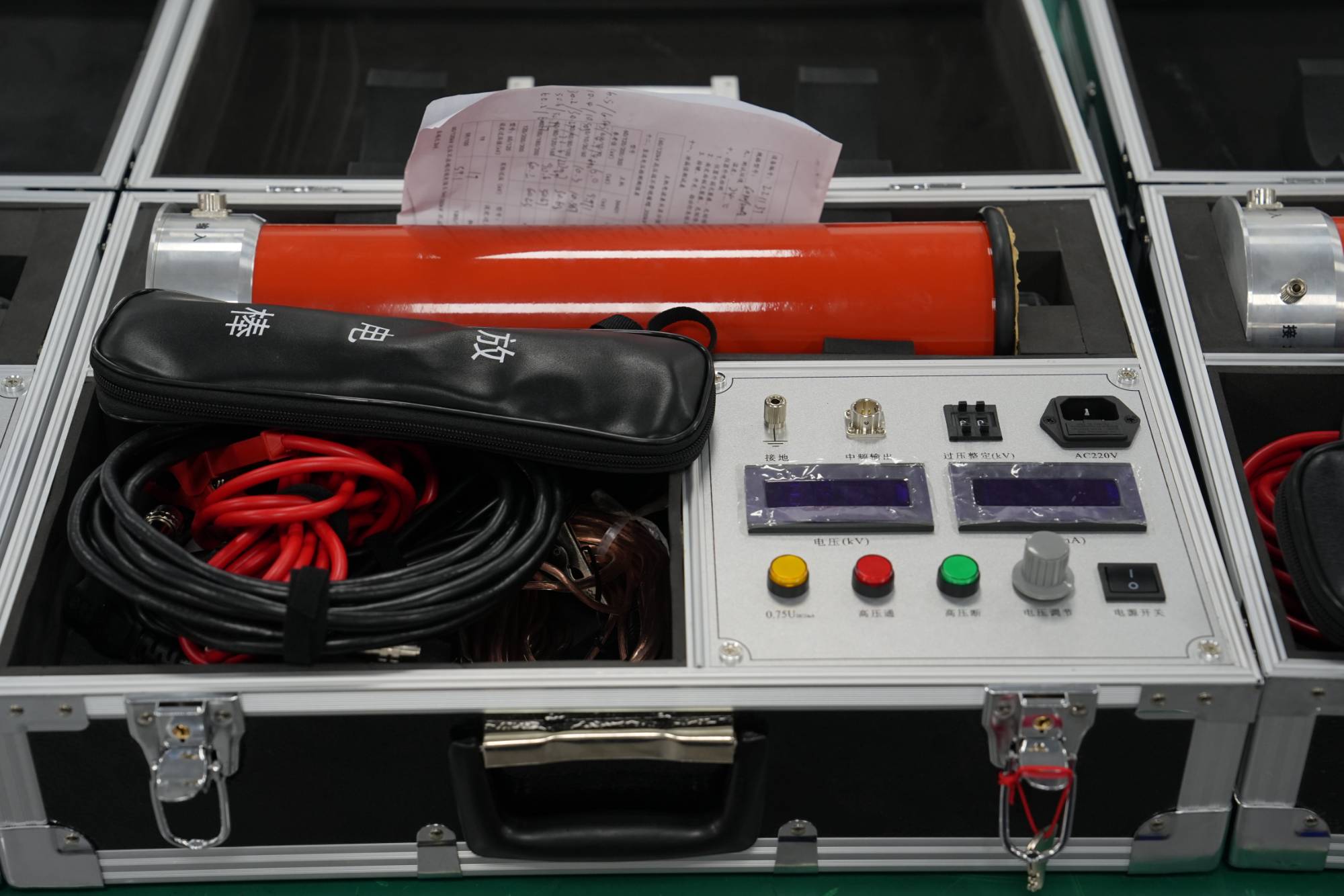
1、 DC high voltage generator: from 10kV substation to 330kV substation, with a large range span
راDC high-voltage generator is one of the most basic equipment in high-voltage testing, and its selection directly depends on the voltage level of the tested equipment and the specific test voltage requirements.
For daily inspection of 10kV substations, the ZGF-60/2 model with a maximum test voltage of 47kV is usually selected to meet the requirements. For 330kV substations, ZGF-800/10 equipment with a maximum test voltage greater than 400kV needs to be selected.
In the DC withstand voltage test of cables, the selection criteria are more specific. Taking paper insulated cables as an example, when the rated voltage of the cable is 3.6/6kV and the DC test voltage is 17kV, ZGF-60/2 model can be selected; When the rated voltage of the cable is 26/35kV and the DC test voltage reaches 130kV, it needs to be upgraded to ZGF-200/5 model.
The Wuhan UHV ZGF series DC high voltage generator covers multiple rated voltage levels such as 200kV, 300kV, and 400kV, with current specifications covering different levels such as 2mA, 3mA, and 5mA. Users can flexibly choose according to their actual testing needs.
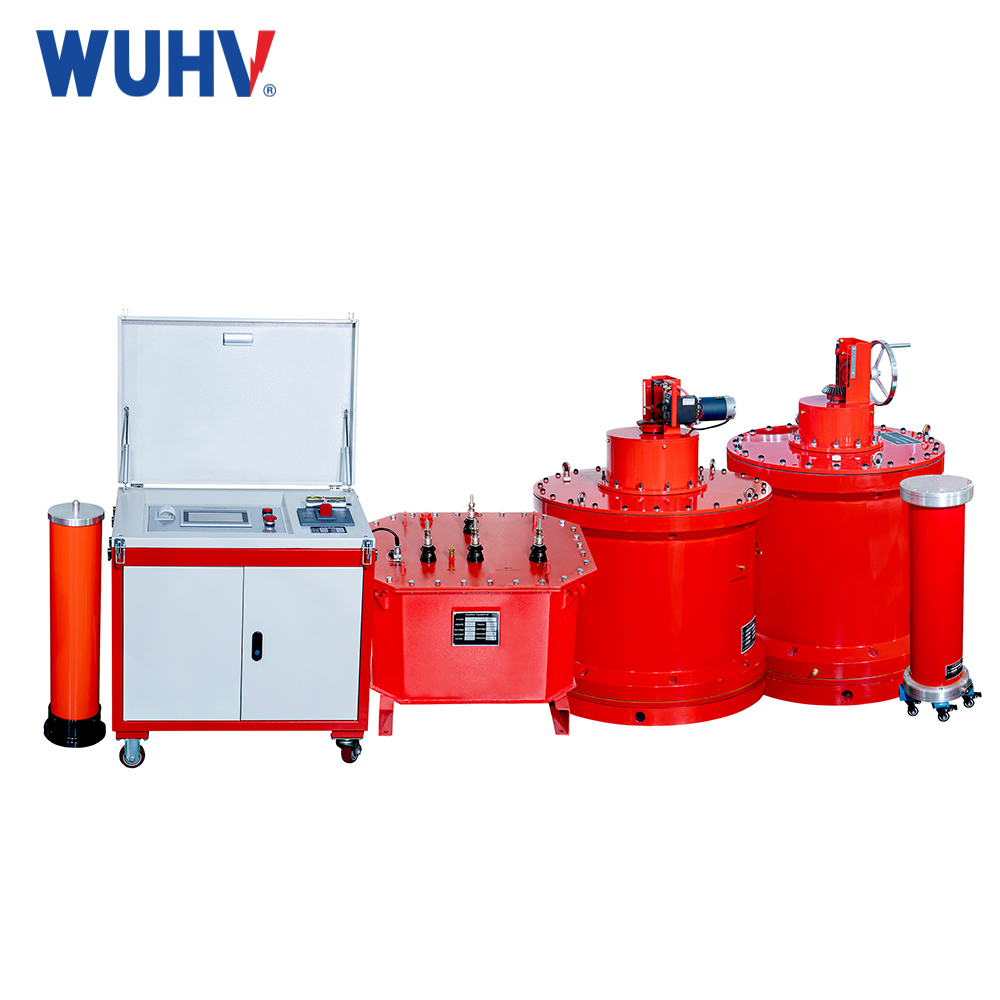
2、 Series resonant device: UHV-50/50 for 10kV cables, UHV-108/108 for 35kV cables
Series resonant devices are mainly used for cables GIS、 The selection of AC withstand voltage tests for transformers and other equipment is also based on the test voltage as the primary consideration.
For equipment with voltage levels of 10kV and below, such as switches and busbars, the Wuhan UHV-50/50 model is an ideal choice, suitable for 10kV power equipment with a voltage level of 1000kVA and below. For the withstand voltage test of 35kV cables, the UHV-108/108 model is more suitable and can meet the testing requirements of 1km of 35kV (300mm ²) cables. For high voltage equipment of 220kV and above, such as power transformers, high voltage level models such as UHV-800/400 should be selected.
In practical engineering applications, selection also needs to be based on parameters such as cable length and capacitance. For example, for a 3km AC withstand voltage test of a 10kV/300mm ² cable with a capacitance of approximately 1.1265 μ F, a test voltage of 22kV, and a test time of 5 minutes, the corresponding series resonance scheme needs to be configured accordingly. In the 4.5km test of 10kV/300mm ² cable, the capacitance increased to 1.6897 μ F, and the test voltage remained at 22kV, but the output capacity of the equipment needs to be correspondingly improved. The frequency range of Wuhan UHV series resonant device is usually between 30-300Hz, which can meet the testing requirements of most power equipment.
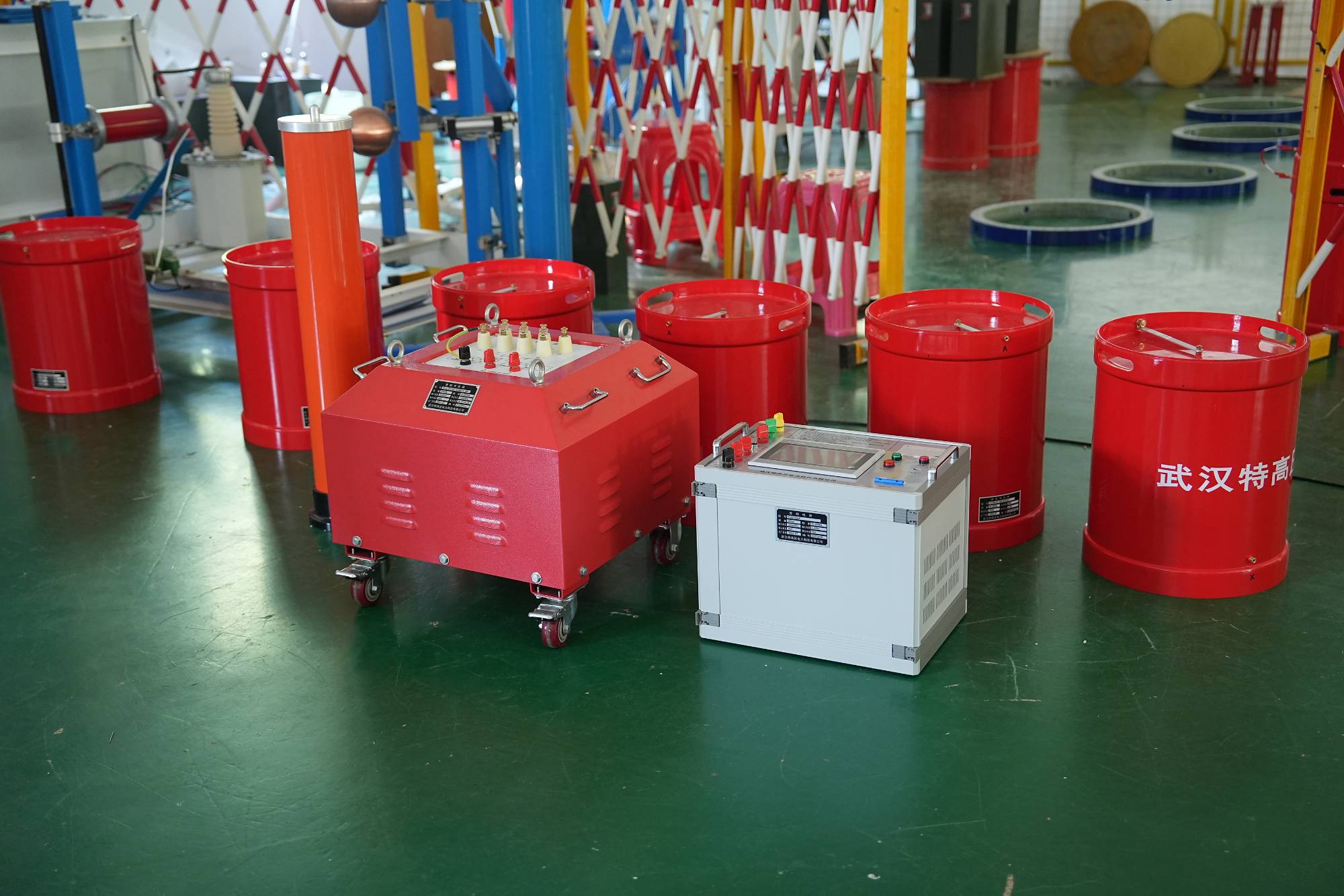
3、 Power frequency test transformer: completely different specifications from 10kV distribution network to 110kV substation
Power frequency test transformers are mainly used for conducting insulation strength tests on electrical equipment at specified voltages. The primary principle of selection is also voltage level matching - selecting the range based on the highest voltage level of the equipment under the jurisdiction of the unit, the specifications required for 10kV distribution network and 110kV substation are completely different.
In terms of specific model selection, taking the Wuhan UHV YDQ series lightweight high-voltage test transformer as an example, a single voltage level can cover from 10kV to 300kV. Among them, equipment with 1.5kVA/50kV specifications has a high-voltage output voltage of 50kV and a high-voltage output current of 30mA. For preventive testing of 110kV substations, higher voltage level equipment is usually required.
When selecting, attention should also be paid to the accuracy level, and the required accuracy should be determined by comparing it with GB/T or DL/T related standards. The higher the accuracy, the higher the price, and it is sufficient. The usage scenario is also an important consideration - if the frequency of outdoor use is high, it is recommended to choose a model with a dust-proof and waterproof shell.
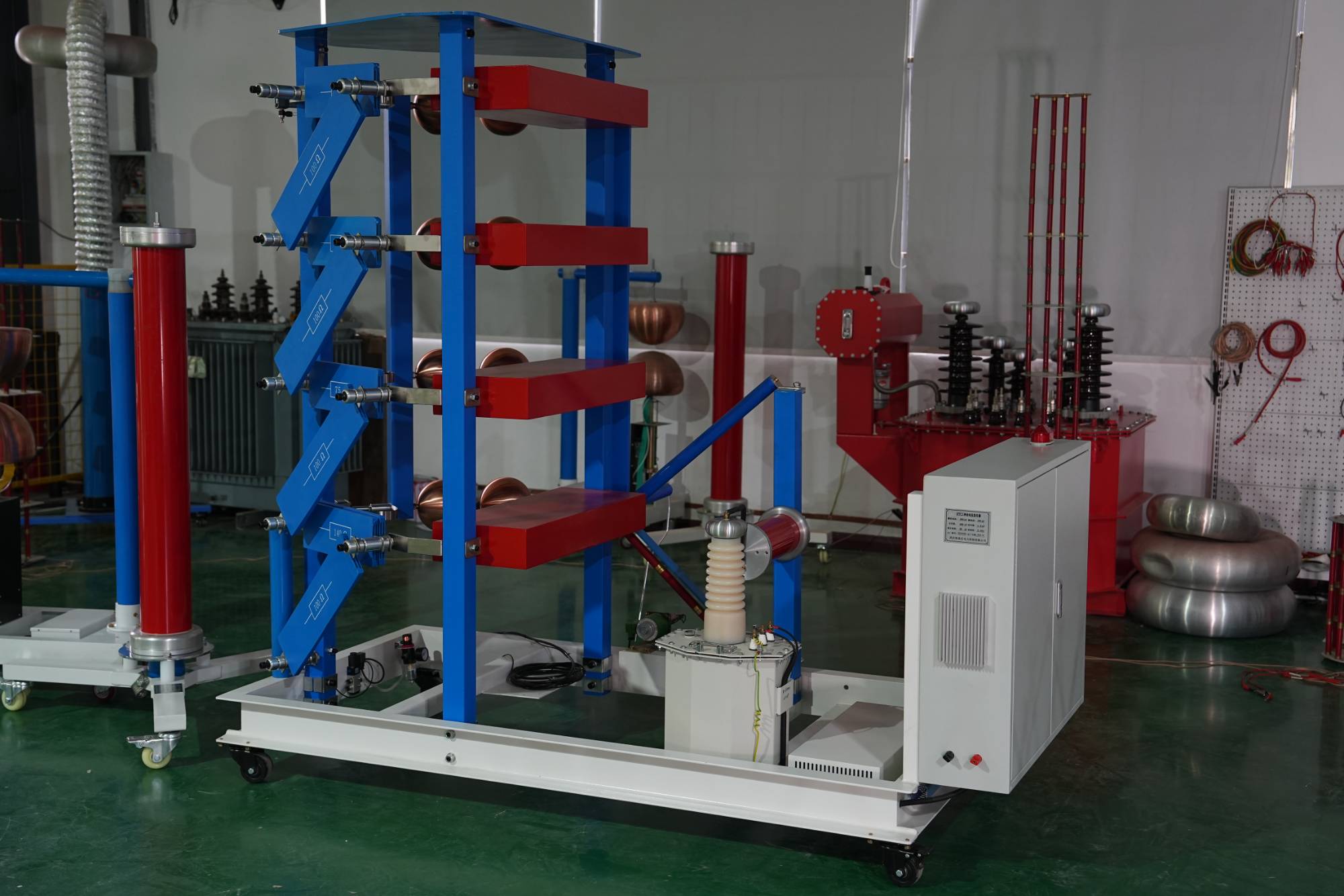
4、 Lightning impulse voltage generator: Accurate conversion between test voltage and equipment level is required
را lightning impulse voltage generator is used to simulate the full wave, truncated wave, and operational impulse wave of lightning impulse voltage, and to test the insulation performance of high-voltage electrical equipment. Its selection has a special feature - the equipment efficiency is usually above 90%, and the output voltage is not directly equal to the test voltage, which needs to be calculated through the number of layers used and the actual test voltage.
Taking the practical operation of Wuhan UHV after-sales team at Beijing Coal Science Research Institute as an example: conducting lightning impulse test on 10kV circuit breaker, the required test voltage is 40kV, selecting a two-layer structure, and setting the output to 21kV after calculation. The final test results show T1/1.08 microseconds, T2/50.51 microseconds, and a voltage of -40.42kV, which meets the national standard requirements. Therefore, in the selection of lightning impulse voltage generators, it is not only necessary to consider the rated output voltage of the equipment, but also to accurately calculate the efficiency and hierarchical structure.
5、 Considerations for supporting facilities beyond selection
Selecting based on the test voltage is only the first step, and the acceptance of the equipment upon arrival cannot be ignored. Wuhan UHV suggests that after the equipment arrives, it should be jointly inspected by the technical specialist and the user team, including visual inspection, random data verification, and power on testing. In addition, procurement costs are only a part of the total cost of ownership, and the expenses for later calibration, maintenance, replacement, and consumables also need to be included in the budget.
The core logic of selecting high-voltage test equipment based on the test voltage is not complicated - clarify the voltage level and specific test standards of the tested equipment, and select the equipment model that matches the range accordingly. However, in practice, different types of equipment (DC high-voltage generators, series resonant devices, power frequency test transformers, lightning impulse voltage generators) have differences in selection details. Some rely on the highest test voltage, some require consideration of cable length and capacitance, and some require voltage conversion. Wuhan UHV Power Technology Co., Ltd. reminds power workers that when selecting equipment, they must take actual testing needs as the starting point, and make comprehensive judgments based on equipment parameters and testing standards to ensure that the equipment is selected correctly and used well.