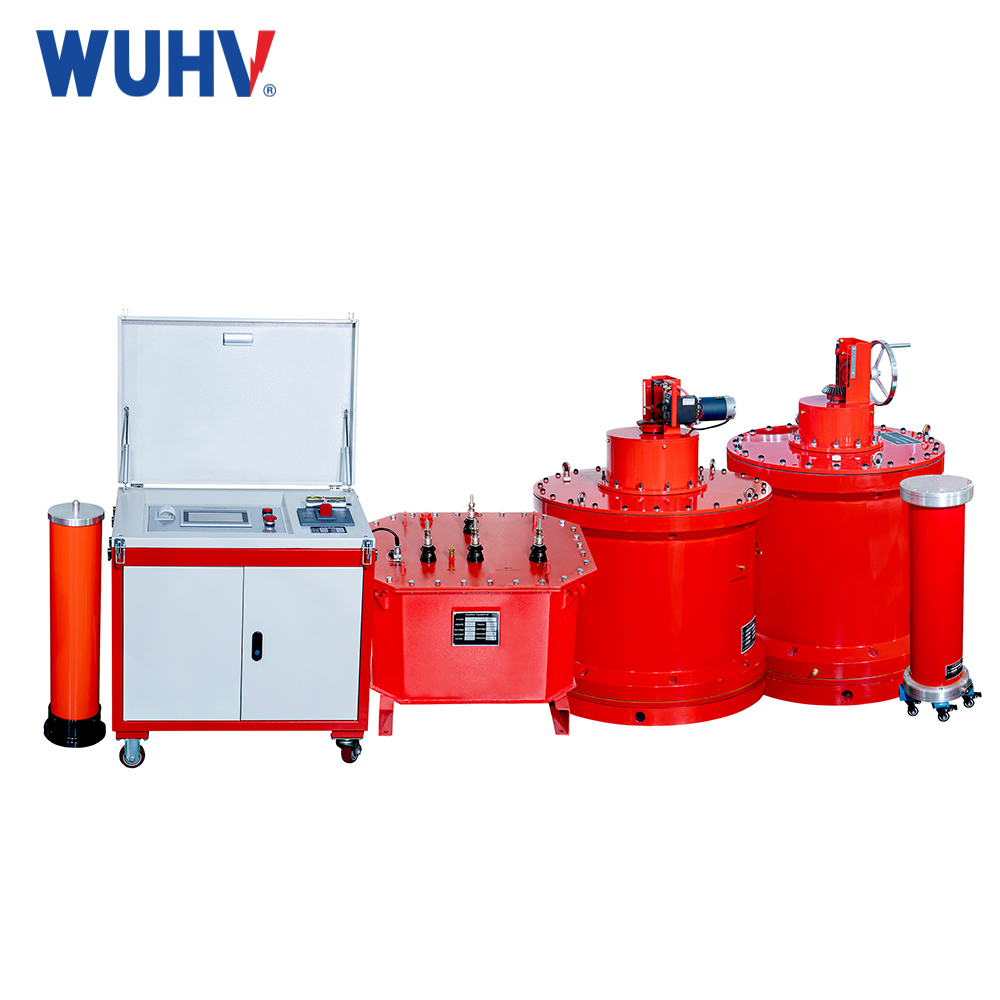
Electric motors are common electric equipment in modern industry, and it is necessary to conduct motor testing to ensure their normal operation.
Firstly, one of the most common motor testing methods is insulation testing. It can be conducted through methods such as insulation resistance testing, insulation resistance polarization index testing, dielectric loss testing, etc.
Secondly, the winding test of the motor. Winding testing can evaluate the state of a motor by measuring parameters such as resistance, insulation resistance, and mutual inductance of the winding. At the same time, the insulation performance of the winding can also be tested through high-voltage testing to ensure the safety and reliability of the motor under high voltage.
In addition, load testing of the motor is also essential. Load testing can evaluate the load capacity and performance of a motor by measuring parameters such as current, power, and efficiency. When conducting load testing, it is necessary to select appropriate testing methods and equipment based on the rated power and load characteristics of the motor to ensure the accuracy and reliability of the testing.
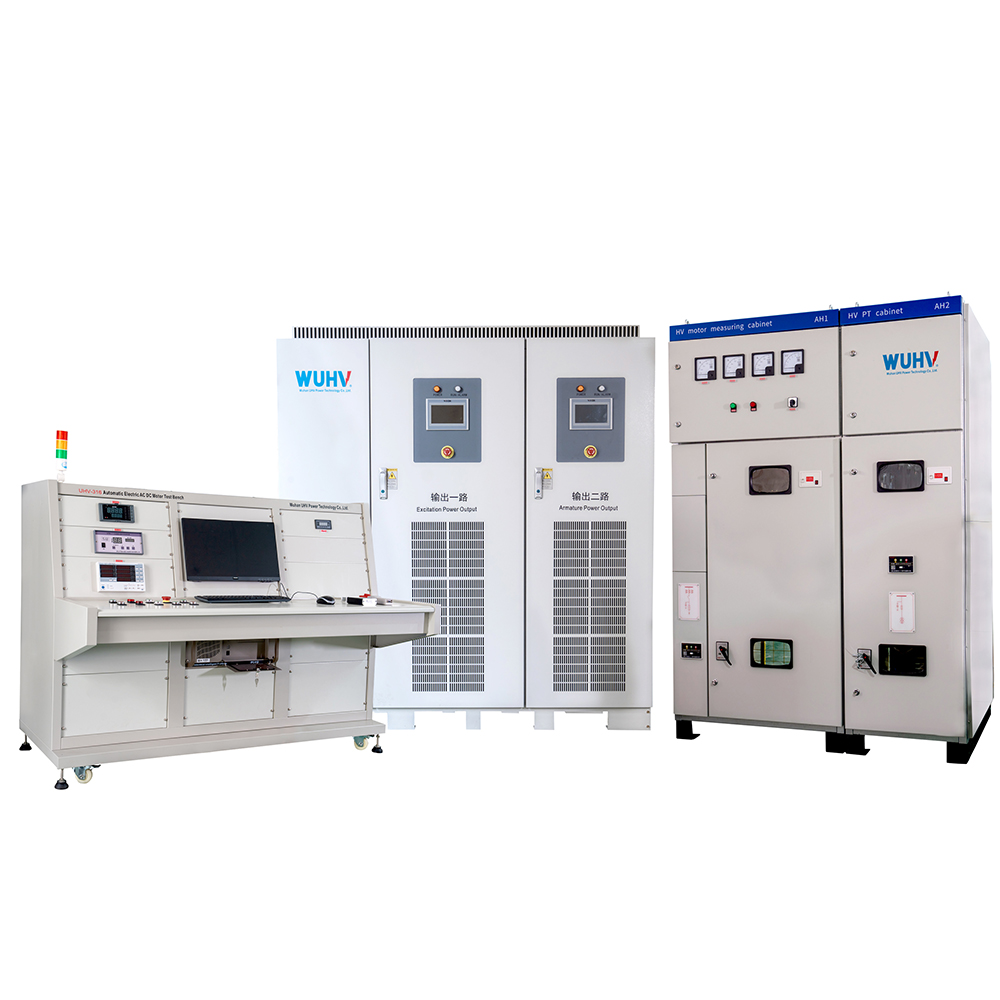
The motor load testing equipment mainly tests and evaluates the performance of the motor by simulating the actual load situation of the motor during operation. It usually consists of multiple parts such as load devices, control systems, and data acquisition systems. The load device is used to simulate the load of the motor, while the control system is responsible for controlling the size and changes of the load. The data acquisition system is used to collect real-time operational data of the motor for analysis and processing. It can be used to detect various measurement parameter values such as motor speed, power, input voltage and current.