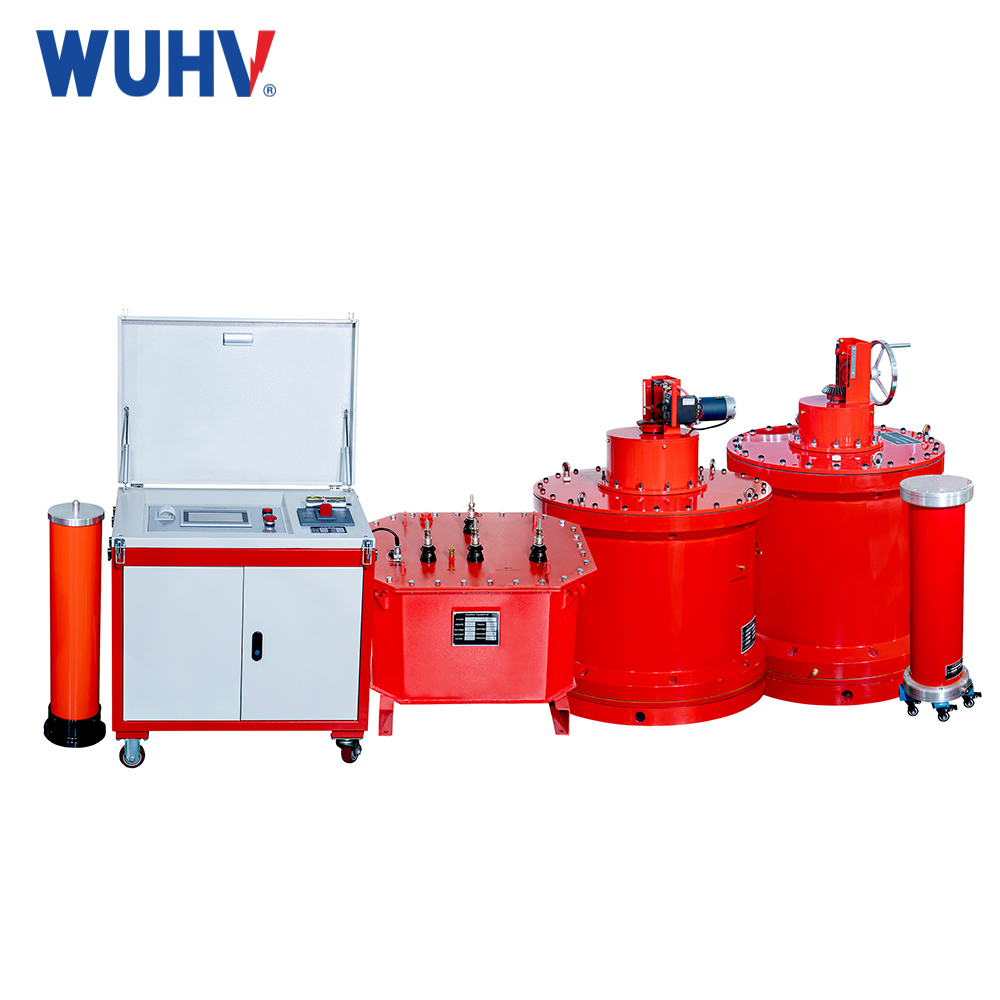
In the field of power safety, the importance of "grounding" is self-evident. It is like an invisible guardian, ensuring the normal operation of equipment and protecting our personal safety. To verify whether this' guardian deity 'is qualified, it cannot do without a lightning protection grounding resistance tester. But did you know? The quality of the results of this small testing instrument is not only a problem with the instrument itself, but also hides many "invisible killers" behind it.
Why is grounding resistance important?
We need to understand that grounding resistance refers to the resistance encountered by current flowing from the grounding body into the earth. The smaller the resistance, the faster and more thorough the current discharge. Why is this important?
Lightning protection: The lightning rod is connected to the ground to safely guide the huge current generated by lightning into the ground, avoiding damage to buildings and equipment. A small grounding resistance is necessary to ensure that this' primordial force 'is not trapped.
Anti electric shock: If there is a leakage in the equipment casing, the current will be introduced into the ground through the grounding wire. If the grounding resistance is too high, the shell will become electrified, which is very dangerous.
Ensure the normal operation of equipment: Many electronic devices and instruments require high stability of the power grid, and good grounding helps to suppress electromagnetic interference and ensure signal stability.
Where are the 'invisible killers'? Factors affecting grounding resistance
Do you think the measurement result is too high, it's because the instrument is broken? That's just too naive! In fact, there are many factors that affect grounding resistance, and you should pay attention to the following "hidden killers":
Soil properties: This is the most important factor. The moisture, salt content, temperature, and composition (such as sand and clay) of soil can significantly affect its electrical conductivity.
Humidity: The wetter the soil, the better its conductivity and the lower its resistance.
Salt content/acidity/alkalinity: Moderate salt content or specific acidity/alkalinity can actually reduce soil resistivity.
Temperature: When the soil freezes in winter, the resistance will increase sharply.
The size and shape of the grounding body: The larger and deeper the grounding body, the larger the contact area with the ground, and the lower the resistance.
Material of grounding body: Materials with good conductivity, such as copper, naturally have lower resistance than iron.
The contact between the grounding body and the soil: Whether the soil around the grounding body is compacted and whether there is an air gap will affect the contact resistance.
Interference from the surrounding environment: nearby large metal structures, induced voltage from power lines, etc. may also affect the measurement results.
What kind of 'artifact' can help?
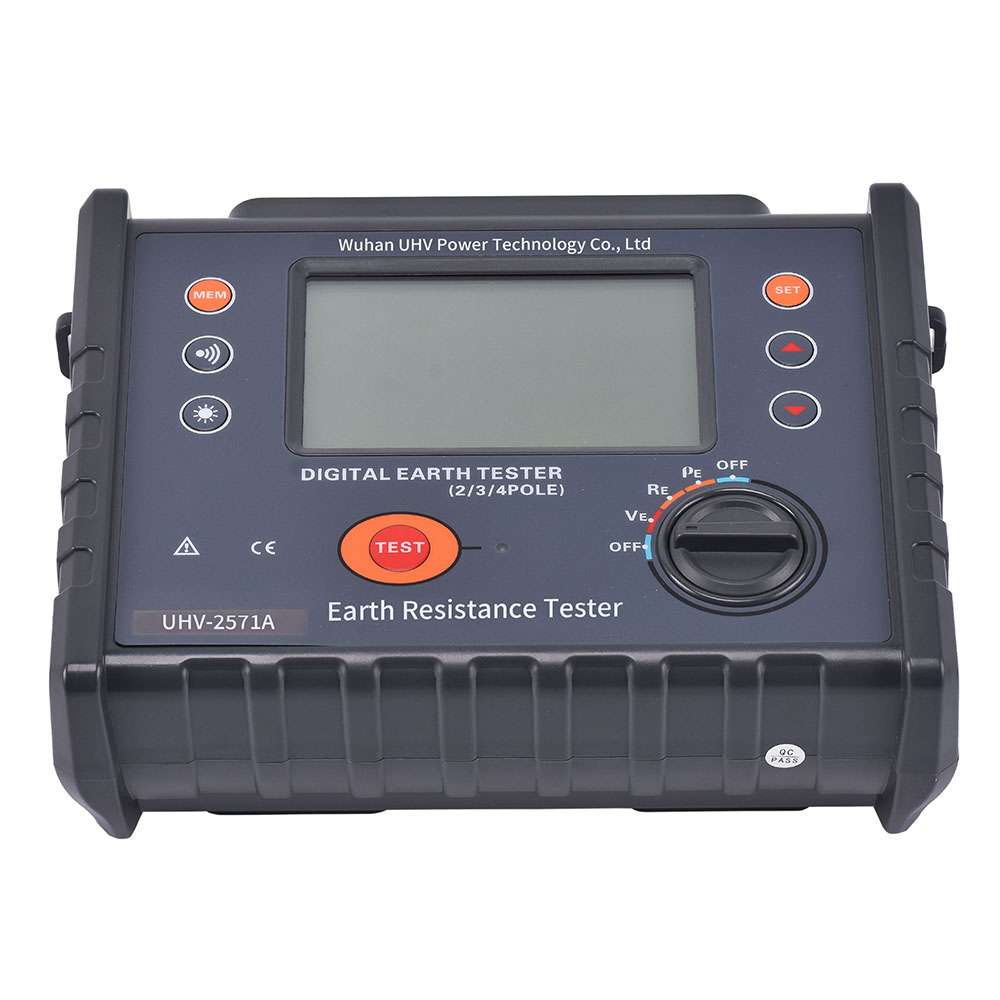
A reliable lightning protection grounding resistance tester is essential for accurately measuring grounding resistance. Wuhan UHV Power Technology Co., Ltd. has a profound technical accumulation in this field. The instruments they produce are of reliable quality and stable performance, which can help you accurately measure grounding systems.
Of course, in addition to the instrument itself, we also need some auxiliary tools and methods to improve the accuracy of measurements:
Grounding rod/probe: used to insert into soil and form a circuit.
Measurement wire: A wire that is long enough and has the lowest possible resistance is required.
Soil resistivity tester: It can measure the resistivity of soil separately and provide reference for grounding body design.
How can we do better? Enhance the 'internal strength' of measurement and maintenance
To truly make the grounding system work, it is not just about testing once, but also requires continuous attention and scientific methods:
Choose the right timing: Try to measure in weather with moderate soil moisture, avoiding extreme drought or rainy seasons.
Optimize grounding body: Based on soil conditions, design the burial depth, length, and quantity of grounding bodies reasonably, and select suitable materials.
Regular testing and maintenance: The grounding resistance tester from Wuhan UHV Power Technology Co., Ltd. can help you regularly check the grounding resistance value.
Maintain grounding body: Check whether the grounding body is corroded or broken, and promptly repair or replace it.
Improving soil: If conditions permit, some amendments such as charcoal powder, coal ash, etc. can be added to the soil around the grounding body to reduce soil resistivity.
Pay attention to the overall system: not only the resistance of the grounding body itself, but also the connection quality of the grounding down conductor, connectors, etc., to ensure the smooth operation of the entire grounding circuit.
frequently asked questions
Q1: Why is my grounding resistance always inaccurate? A1: It may be due to insufficient soil moisture, improper selection of measurement points, or strong electromagnetic interference in the surrounding area. It is recommended to measure away from sources of interference when the soil moisture is moderate.
Q2: What is the required grounding resistance to be considered qualified? A2: The national standard has clear regulations on this, generally requiring no more than 4 ohms (for general grounding), but the specific value may vary depending on the nature of the equipment and location. Please refer to relevant industry standards.
Q3: What is the lifespan of the grounding resistance meter? A3: The grounding resistance meter itself does not have a fixed lifespan, but its accuracy will vary with usage and storage conditions. Regular calibration and proper storage are key to extending its service life.
Q4: What are the dangers of high grounding resistance? A4: A high grounding resistance means that the current discharge is not smooth, which may affect the performance of the equipment or lead to the failure of lightning protection and electric shock accidents caused by the equipment shell being electrified.
Q5: How to choose a suitable lightning protection grounding resistance tester for oneself? A5: Measurement accuracy, measurement range, power supply method, portability, and brand reputation need to be considered. You can consult professional manufacturers such as Wuhan UHV Power Technology Co., Ltd., who can provide professional selection advice.