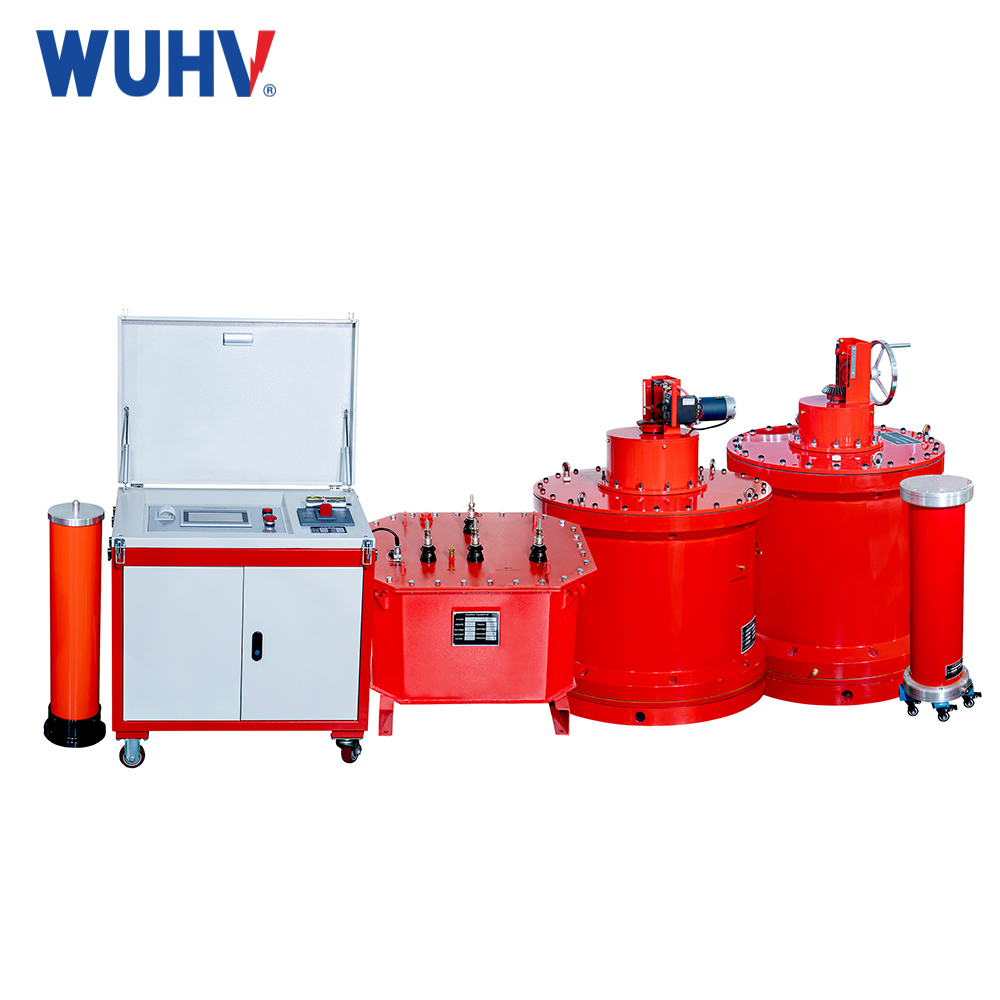
In the power system, grounding is a crucial link to ensure the safe operation of equipment and the safety of personnel. The size of the grounding electrode resistance directly affects the effectiveness of the grounding system. How can we accurately measure this important parameter? Today, let's talk about the grounding electrode resistance tester and how to use it to obtain reliable measurement results.
What is grounding electrode resistance?
Simply put, grounding electrode resistance refers to the total resistance encountered by current flowing from a grounding electrode (a buried metal conductor) into the earth, and then dissipating through the earth to a distant location. The smaller this value, the better the grounding effect. In the event of a fault, the current can be discharged to the ground faster, greatly reducing the risk of electric shock.
What are the factors that affect the resistance of grounding electrodes?
There are many factors that affect the resistance of grounding electrodes, including:
Soil resistivity: This is the most important factor. The moisture, temperature, and composition (such as salt content and organic matter content) of soil can all affect its electrical resistivity.
The shape, size, and burial depth of the grounding electrode: The larger the surface area and the deeper the burial depth of the grounding electrode, the lower the resistance is usually.
The number and spacing of grounding electrodes: Multiple grounding electrodes connected in parallel can reduce the total resistance, but the spacing between grounding electrodes is too small, which can affect each other and lead to poor results.
Surrounding environment: such as ground attachments, frozen layers, etc.
Using a grounding electrode resistance tester for measurement
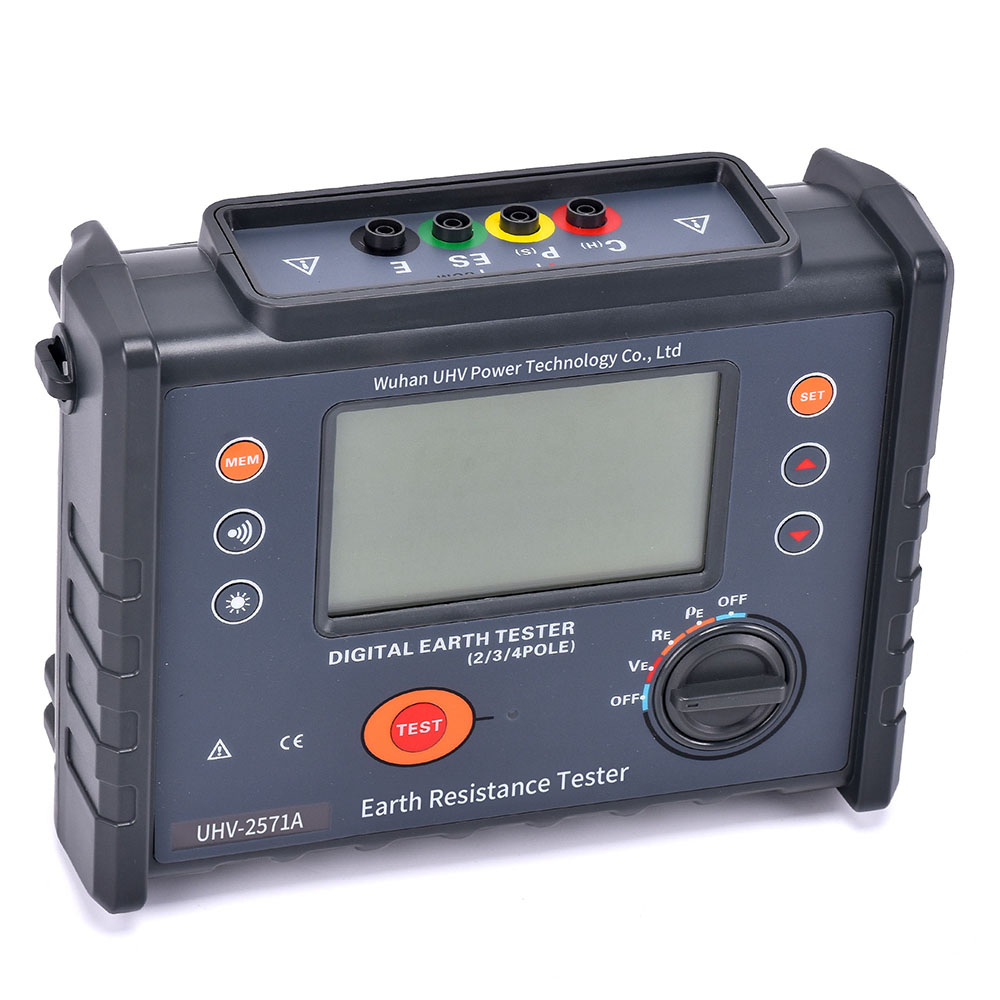
When it comes to measuring tools, the grounding electrode resistance tester comes in handy. It is like a stethoscope that can 'hear' the 'health status' of the grounding system. There are various types of testers on the market, and their working principle is mostly based on Ohm's law, which calculates resistance by applying current and measuring voltage.
How to choose a suitable tester?
Measurement accuracy: Select the appropriate accuracy level based on the application scenario.
Power supply methods: hand cranked, battery powered, each with its own advantages and disadvantages.
Functionality: Whether it has automatic range and data recording functions.
Portability: The weight and volume of the device make it easy to operate on site.
Key points of measurement operation
Choose the appropriate measurement method: Common methods include three pole method, four pole method, etc. Choose according to the actual situation.
Correctly connect the test line: Ensure that the grounding electrode, voltage probe, and current probe are firmly connected and in good contact.
Choose measurement location: Avoid areas with large metal objects or strong electrical interference around.
Performing multiple measurements: Taking the average can improve the accuracy of the results.
Pay attention to environmental factors: try to measure under relatively stable soil moisture conditions.
Wuhan UHV Power Technology Co., Ltd. has rich experience in the field of power testing. Its series of testing instruments can help you accurately and efficiently complete the measurement of grounding electrode resistance.
What tools can help us?
In addition to the grounding electrode resistance tester itself, some auxiliary tools can also improve measurement efficiency and accuracy:
Auxiliary probe of grounding resistance tester: Ensure that the test signal can be effectively injected into the ground.
Soil resistivity tester: Understanding the soil resistivity in advance can help evaluate measurement results and design grounding systems.
Multimeter: used to check the conductivity of the connecting wires and the grounding body itself.
Related to what?
The measurement of grounding electrode resistance is closely related to many fields:
Electrical safety: directly related to equipment and personal safety.
Lightning protection: Good grounding is the foundation of effective lightning protection.
Electromagnetic compatibility: Reasonable grounding helps reduce electromagnetic interference.
Power equipment maintenance: Regular testing is an important means to ensure stable operation of equipment.
How can we do better?
To obtain more reliable measurement results of grounding electrode resistance, the following aspects can be taken into consideration:
Regular maintenance and inspection: Conduct inspections of grounding bodies and connecting wires, and promptly address issues such as corrosion and looseness.
Optimize grounding grid design: Reasonably design the number, size, and layout of grounding bodies based on soil conditions and safety requirements.
Pay attention to changes in soil moisture: Measure in different seasons to understand the fluctuation range of electrical resistivity.
Choose reliable testing equipment: Ensure that the grounding electrode resistance tester used has stable performance and high accuracy. The equipment of Wuhan UHV Power Technology Co., Ltd. is your trusted choice.
Frequently Asked Questions (FAQ)
Q1: What is the ideal value of grounding electrode resistance? A1: The ideal grounding electrode resistance value may vary depending on different national standards and application scenarios. Generally speaking, in order to meet safety requirements, there will be an upper limit, such as less than 4 ohms or 1 ohm. Specific values should refer to relevant national or industry standards.
Q2: Why is my grounding electrode resistance measurement always on the high side? A2: High measurement values may be caused by various reasons, including high soil resistivity (such as dry, sandy soil), aging and corrosion of grounding bodies, insufficient surface area of grounding bodies, poor contact or insufficient insertion depth of probes, and interference from other ground components in the surrounding area.
Q3: Can I use the resistance range of a regular multimeter to measure the resistance of the grounding electrode? A3: It is not recommended to use the resistance range of a regular multimeter to measure the resistance of the grounding electrode. This is because the measurement of grounding electrode resistance requires the application of a certain current to overcome the inherent resistance of the soil, and the use of professional testing methods (such as the three pole method or four pole method) to eliminate the influence of other resistances in the measurement circuit. A regular multimeter cannot meet these requirements, and the measurement results will be very inaccurate.
Q4: What is the measurement range of the grounding electrode resistance tester? A4: Different models of grounding electrode resistance testers have different measurement ranges. Common instruments can measure resistance values ranging from a few milliohms to hundreds or even thousands of ohms, which is sufficient to meet the needs of the vast majority of power systems and industrial sites.
Q5: How often does the grounding electrode resistance tester need to be calibrated? A5: The frequency of instrument calibration is usually recommended to be carried out according to the manufacturer's instructions and local metrology regulations. Generally speaking, it is recommended to calibrate the instrument once a year or after abnormal readings or major repairs to ensure the accuracy of the measurement results.