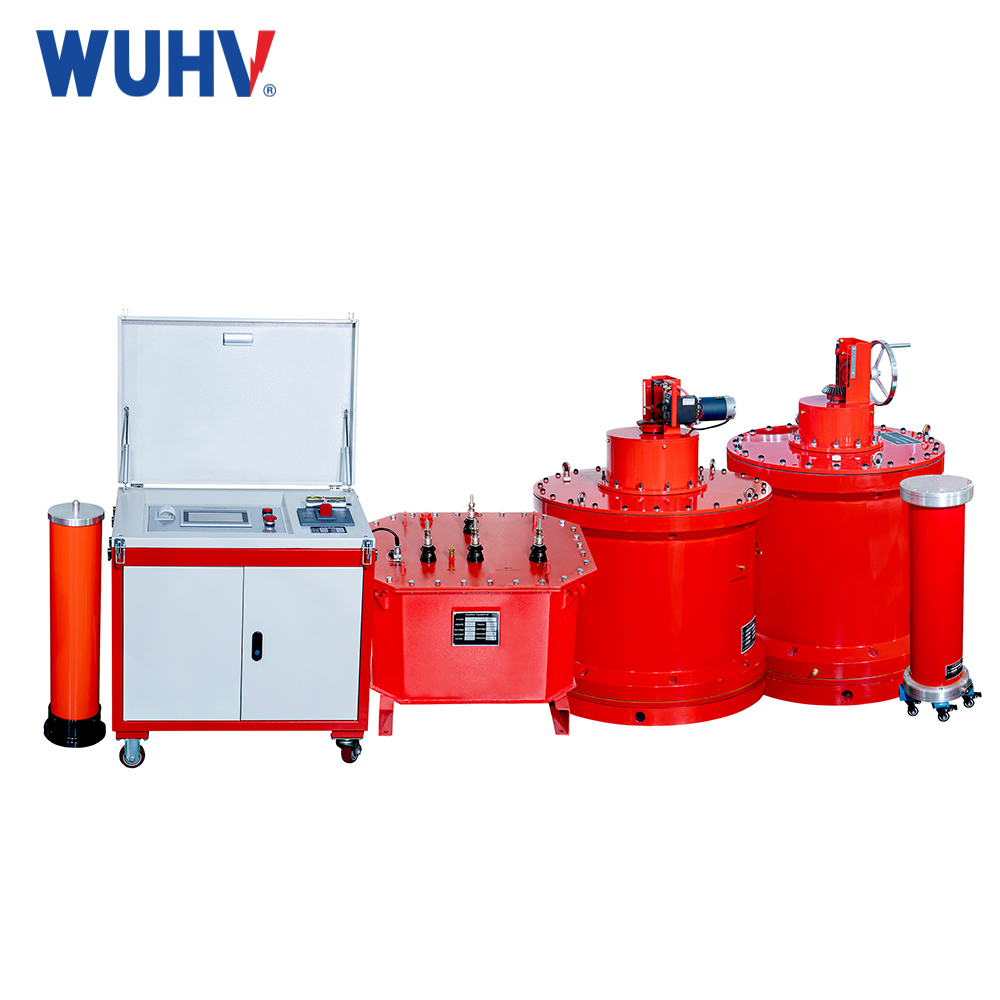
In the stable operation of the power system, relay protection plays a crucial role, just like the "guardian" of the power grid. What exactly is relay protection? Simply put, it is an automated device that can promptly detect faults (such as short circuits, overloads, etc.) in the power system and quickly isolate the faulty parts. And the relay protection testing system is our powerful assistant for verifying and ensuring that these "guardians" always maintain their best state.
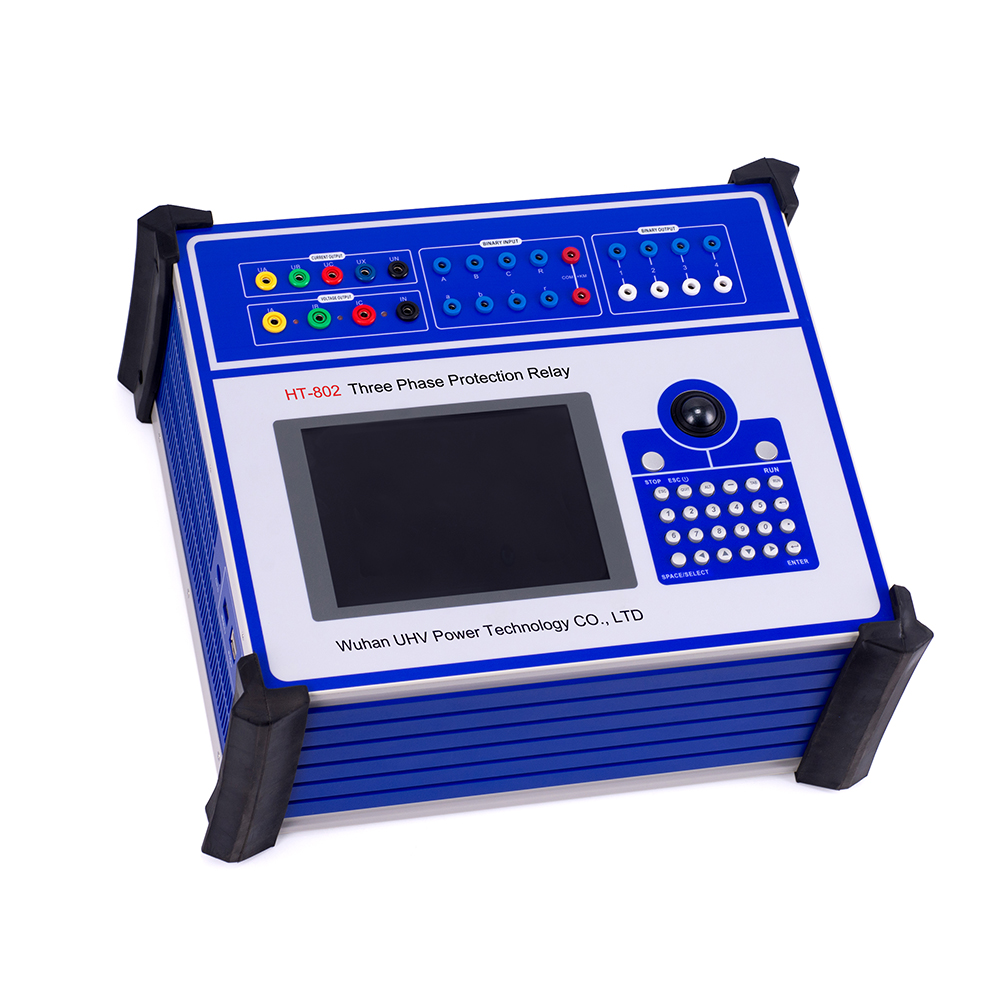
What is a relay protection testing system?
راrelay protection testing system, as the name suggests, is a set of equipment or systems specifically designed for performance testing, calibration, and maintenance of relay protection devices. It can simulate various operating conditions and fault situations of power systems to detect whether the action of relay protection devices is accurate, timely, and has sufficient reliability. It's like giving athletes a physical fitness test to ensure they can give it their all at critical moments.
Factors affecting the performance of relay protection systems
Ensuring that the relay protection system is foolproof is not a simple task. Many factors can affect its' health status':
Environmental factors such as temperature, humidity, dust, electromagnetic interference, etc. can all affect the normal operation of relay protection devices.
Equipment aging: Any electronic device has a lifespan, and relay protection devices are no exception. After long-term operation, performance may deteriorate.
Parameter setting: The setting value of relay protection needs to be accurately set according to the actual situation of the power grid. Once set improperly, it may "accidentally damage" equipment that is operating normally or fail to cut off faults in a timely manner.
Human factors such as operational errors and improper maintenance may also lead to the failure of relay protection functions.
What tools can help us?
Fortunately, we have various advanced tools to address these challenges. Relay protection testers are core equipment that can output accurate current and voltage signals and simulate various fault modes. More advanced systems, such as the solution provided by Wuhan UHV Power Technology Co., Ltd., integrate various functions such as automated testing, data analysis, and fault diagnosis, greatly improving testing efficiency and accuracy. These systems often have powerful data management capabilities, which can record the results of each test and form a complete equipment archive, which is very valuable for the long-term maintenance of power system security.
What fields are relay protection testing related to?
The application of relay protection testing system is very extensive and closely related to multiple fields:
Power grid operation safety: This is the most direct correlation to ensure stable and reliable power supply to the power grid.
Equipment maintenance and overhaul: Regular testing is an important part of preventive maintenance.
New energy access: The integration of new energy sources such as wind power and photovoltaics into the grid poses new challenges to the dynamic characteristics of the power grid, and relay protection also needs to be adjusted and tested accordingly.
Industrial electricity: Large factories, data centers, etc. have extremely high requirements for power supply reliability, and relay protection is also indispensable.
How can we do better?
To maximize the effectiveness of the relay protection testing system, we can start from the following aspects:
Standardization process: Establish a unified and standardized testing process to ensure consistency in each test.
Specialized talents: cultivate and introduce testing personnel with professional knowledge and skills.
Intelligent upgrade: Embrace automation and intelligent technology, such as utilizing the advanced system of Wuhan UHV Power Technology Co., Ltd. to achieve unmanned testing process and intelligent data analysis.
Continuous improvement: Regularly review test results, analyze potential risks, and adjust testing strategies and equipment based on actual situations.
Wuhan UHV Power Technology Co., Ltd. has been deeply involved in this field for many years. Its relay protection testing solutions are not only technologically advanced, but also focus on convenience and reliability in practical applications, providing a solid support for ensuring the safe operation of the power system.
FAQ
Q: How long does it take for relay protection testing? A: The testing time depends on the complexity of the tested device, the number of testing items, and the capabilities of the testing equipment. Typically, a complete test of a relay protection device may take anywhere from tens of minutes to several hours.
Q: How often is the frequency of relay protection testing? A: Generally speaking, it is recommended to conduct a comprehensive test on important relay protection devices once a year, while some critical devices may require testing every six months. The specific frequency will be determined based on national standards, industry norms, and the importance of the equipment.
Q: What other related equipment needs to be tested besides the relay protection device itself? A: In addition to the core relay protection device, the supporting equipment such as current transformers, voltage transformers, isolation switches, circuit breakers, etc. also need to undergo regular electrical performance testing to ensure the reliability of the entire protection circuit.
Q: What is the purpose of relay protection testing? A: The main purpose is to verify whether the relay protection device can accurately, quickly, and reliably issue tripping instructions in various fault situations, isolate faults, and protect power equipment while ensuring the stable operation of the power grid.
Q: Why is relay protection testing so important for the power system? A: Relay protection is the first line of defense for the safe operation of power systems. If the relay protection fails, a small fault can quickly expand, causing widespread power outages and even equipment damage and personal safety accidents.