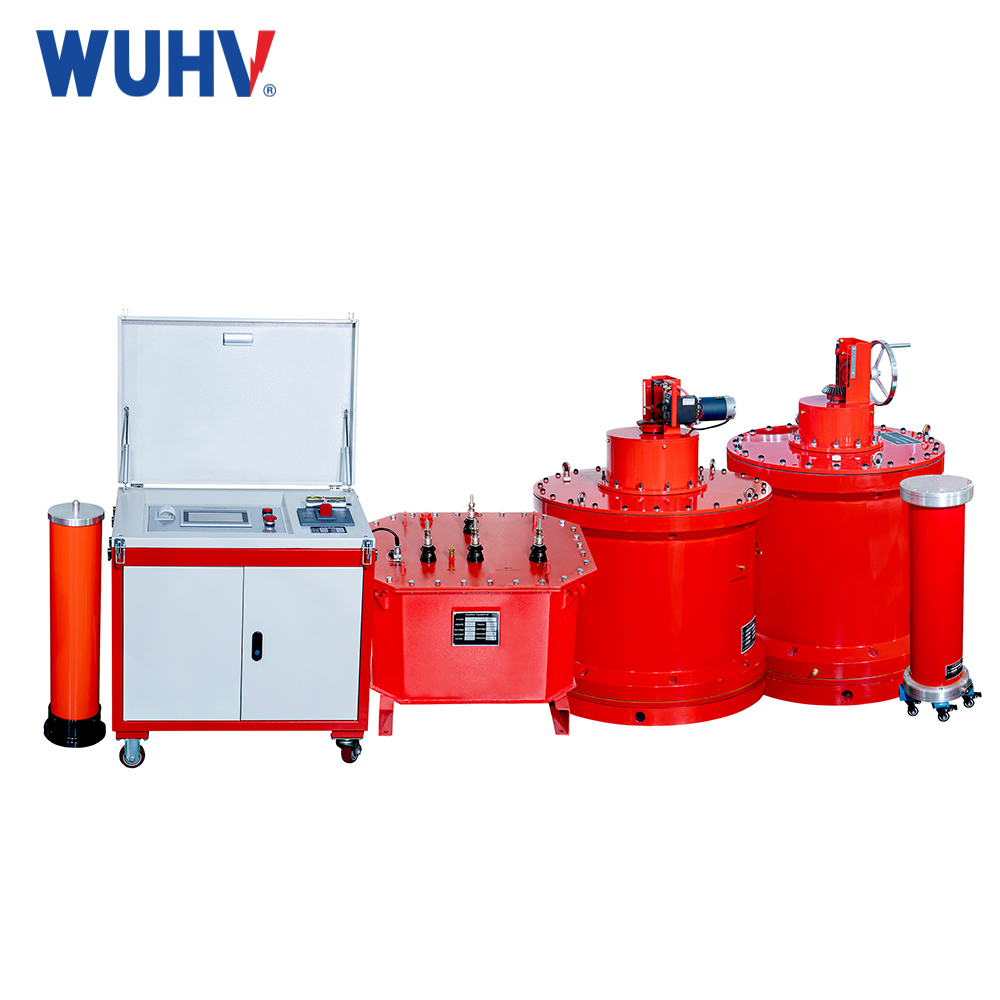
In the field of power safety, we often emphasize "safety first", and a reliable grounding system is the key to ensuring the safety of equipment and personnel. Do you really understand your grounding system? What is its' health condition '? Today, we will talk about a crucial tool - grounding resistance testing equipment.
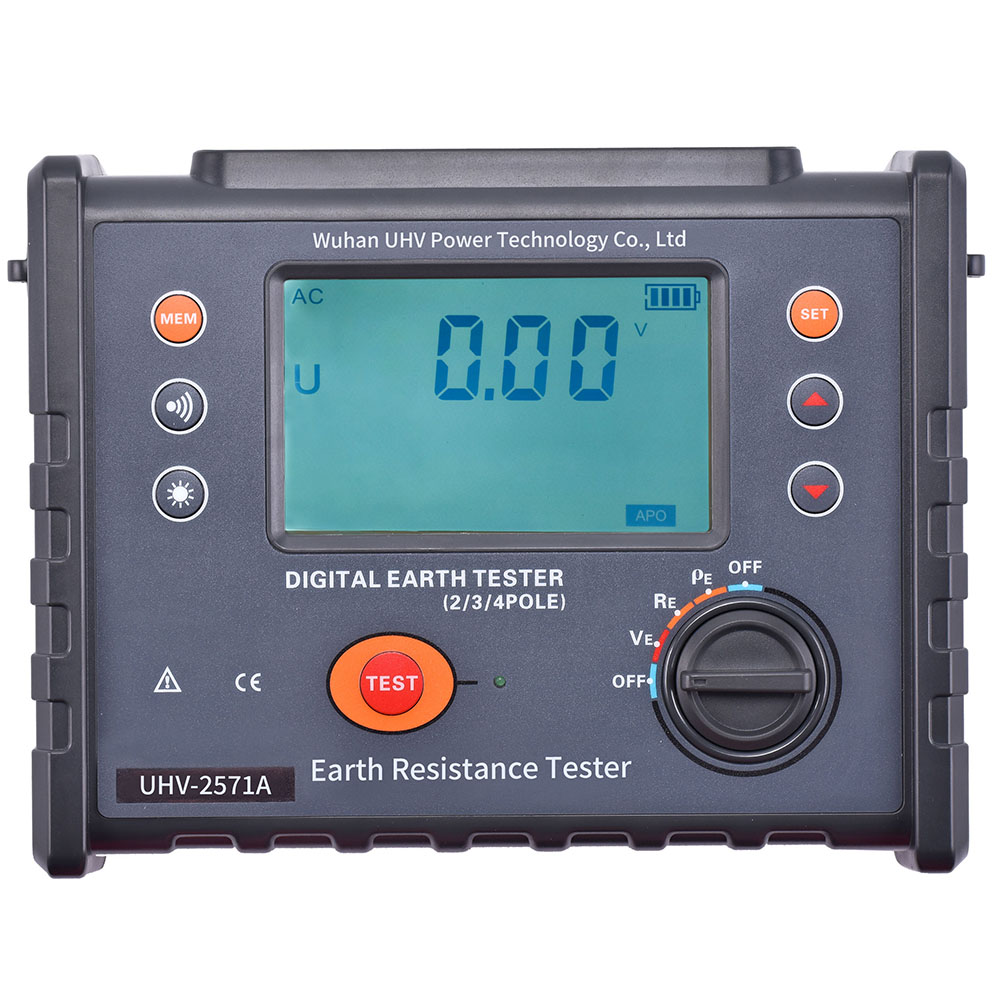
What is grounding resistance testing equipment?
Simply put, grounding resistance testing equipment is an instrument specifically designed to measure the resistance value between electrical equipment enclosures, metal structures, and the earth. This resistance value, also known as the "grounding resistance", is directly related to whether the current can be smoothly introduced into the ground when leakage or fault occurs, thereby triggering the protective device and avoiding electric shock accidents. Imagine it's like building a 'highway' to safety for your electrical system.
What are the "behind the scenes" factors that affect grounding resistance?
The conductivity of soil: The moisture content, salt content, temperature, and other factors of soil can affect its conductivity, which in turn affects the grounding resistance.
The material and size of the grounding body: The metal material used (such as copper, galvanized steel) and the length and cross-sectional area of the grounding body will directly affect the resistance size.
The burial depth and method of grounding body: the deeper and denser, the lower the resistance usually.
Environmental factors such as seasonal changes and climate drought can cause fluctuations in grounding resistance.
The 'weapon' of measurement: the intelligent choice of Wuhan UHV Power Technology Co., Ltd
In practical applications, choosing a precise and reliable testing equipment is crucial. The grounding resistance testing equipment launched by Wuhan UHV Power Technology Co., Ltd. provides professional measurement solutions for many users with its advanced technology and stable performance. These devices usually use digital displays, which are easy to operate and can quickly and accurately read measurement data, helping engineers discover problems in a timely manner.
Neighbors and Brothers in Grounding Resistance Testing
When it comes to grounding resistance testing, several closely related concepts must be mentioned:
Grounding system: This is the "service object" of grounding resistance testing, including components such as grounding body, grounding lead, and grounding electrode.
Equipotential bonding: Ensure that the potential between different metal components is equal, reducing the danger caused by potential differences.
Insulation resistance testing: It complements grounding resistance testing to form a safety barrier for electrical equipment.
How can we do better? Practical Guidelines for Grounding Resistance Testing
Choose the appropriate testing method: Based on the on-site situation, choose the three pole method, two pole method, etc. to ensure measurement accuracy.
Regular testing: It is not a one-time solution, and the grounding resistance should be tested regularly according to national standards and actual operating conditions.
Record and analyze data: Detailed record of each test result and conduct trend analysis to promptly identify potential hazards.
Professional operation: Ensure that testing is conducted by trained professionals to avoid misoperation.
The professional equipment and technical support provided by Wuhan UHV Power Technology Co., Ltd. are undoubtedly a powerful guarantee for improving the safety of the grounding system.
Frequently Asked Questions (FAQ)
Q: What is the qualified grounding resistance? A: Normally, the grounding resistance of industrial and civil buildings should not exceed 4 ohms. Specific standards should refer to relevant national regulations.
Q: Why has my grounding resistance increased recently? A: This may be related to changes in soil moisture, corrosion of grounding bodies, or loose connections, and further inspection is needed.
Q: Do grounding resistance testing equipment need to be calibrated regularly? A: Yes, in order to ensure measurement accuracy, the equipment should be calibrated regularly according to the manufacturer's requirements.
Q: What is the difference between grounding resistance test and insulation resistance test? A: The grounding resistance test measures the path resistance of the device to ground connection, while the insulation resistance test measures the insulation performance between the wire and ground. Both are important indicators of electrical safety.
Q: Can I measure the grounding resistance at home by myself? A: Although there are household grounding resistance testers on the market, it is recommended to have them operated by professionals to ensure accuracy and safety, especially when it comes to industrial or important electrical equipment.