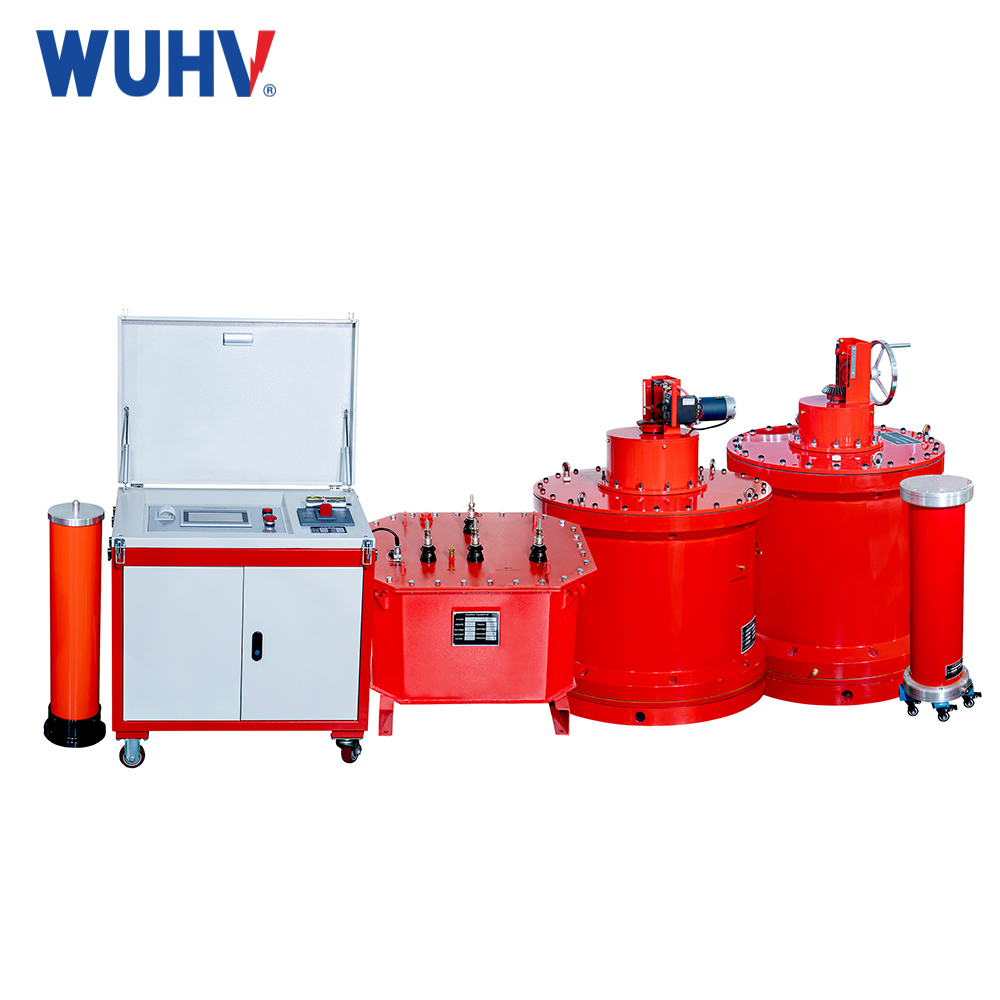
Transformers, as an indispensable "heart" in the power system, their operational reliability directly affects the stability of the entire power grid. How can we ensure that these behemoths are foolproof before leaving the factory and during operation? The answer lies in the transformer comprehensive testing bench.
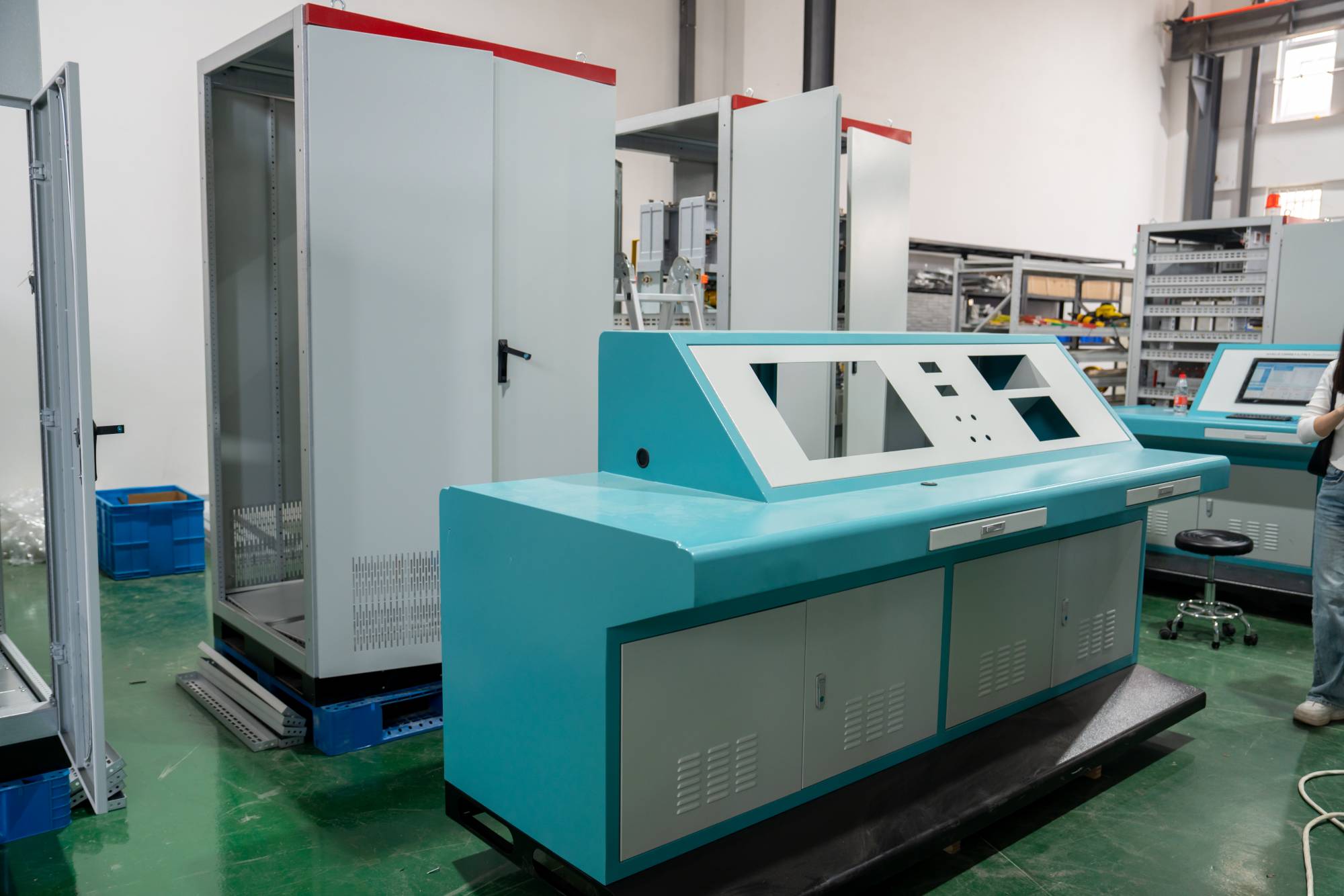
What is a transformer comprehensive testing bench?
Simply put, the transformer comprehensive testing bench is an automated equipment that integrates multiple detection functions, specifically designed for comprehensive and accurate performance and insulation status evaluation of power transformers. It is like a "versatile doctor" for transformers during physical examinations, capable of completing many key tests at once, greatly improving detection efficiency and accuracy.
Factors affecting the accuracy of transformer testing
There are many factors that can "quietly" affect the accuracy of transformer testing results.
Environmental factors such as temperature, humidity, and altitude can all affect the testing of insulation performance.
Testing equipment accuracy: The calibration status and measurement accuracy of the testing equipment itself are crucial.
Operator professionalism: Experienced operators can better understand testing phenomena and avoid misjudgments.
The condition of the transformer itself: the degree of newness, manufacturing process, and whether it has been operated for a long time will all affect its various parameters.
Revealing the "Eighteen Martial Arts" of Transformer Comprehensive Testing Bench
What core testing items can an advanced transformer comprehensive testing bench cover?
No load test: mainly measures the no-load loss and no-load current of the transformer, reflecting the magnetic circuit quality of the transformer.
Load test: The focus is on detecting the load loss and short-circuit impedance of the transformer, which is the key to evaluating the efficiency and voltage regulation characteristics of the transformer.
Insulation resistance test: It measures the degree of deterioration of the insulation medium between the transformer winding, iron core, and shell, and is an important electrical safety inspection.
Dielectric loss testing: used to evaluate the electrical performance of transformer insulation materials and is an important means of transformer condition monitoring.
DC resistance measurement: Check the continuity of the winding conductor and whether there is local poor contact, which is directly related to the safe operation of the transformer.
Interturn short circuit protection test: Verify whether the protection response of the transformer is timely in the event of an inter turn short circuit.
How to make testing more 'excellent'?
To improve the testing work of the transformer comprehensive testing bench, we can start from the following aspects:
Regular calibration and maintenance: Ensuring that testing equipment is always in optimal working condition is the cornerstone of ensuring data accuracy. Wuhan UHV Power Technology Co., Ltd. is deeply rooted here, providing professional equipment solutions.
Standardized operating procedures: Establish and strictly implement standardized testing procedures to reduce human error and ensure comparability of results.
Data analysis and trend prediction: It is not just about looking at single test results in isolation, but also combining historical data for analysis and predicting potential risks of transformers, which is particularly important for power equipment management.
Intelligent upgrade: Introducing more advanced automation and intelligent technologies to achieve full process automation of data collection, analysis, and report generation, further improving efficiency and accuracy.
The professional strength of Wuhan UHV Power Technology Co., Ltd
In the field of transformer comprehensive testing bench, Wuhan UHV Power Technology Co., Ltd. provides users with high-quality testing equipment and comprehensive solutions with its profound technical accumulation and rich industry experience. Their products play a crucial role in the testing of high-voltage electrical equipment, contributing to the stable operation of the power system.
Frequently Asked Questions (FAQ)
What is the typical testing cycle for a transformer comprehensive testing bench?
This depends on the type, operating environment, and importance of the transformer. Generally, factory testing is essential, and transformers in operation will be regularly inspected according to regulations, such as annual or seasonal testing.
Why are both no-load and load tests important?
The no-load test mainly reflects the iron loss and magnetization characteristics of the transformer, while the load test mainly reflects the copper loss and transformation efficiency of the transformer. Both are indispensable and can comprehensively evaluate the energy loss of transformers.
What safety precautions should be taken when conducting insulation resistance testing?
Before testing, it is essential to confirm that the transformer has been fully discharged and to ensure proper personnel protection. During the testing process, contact with the test terminals should be avoided to prevent electric shock.
What does a high dielectric loss test result mean?
A high dielectric loss tangent (tan δ) usually indicates that the insulation material of the transformer has problems such as moisture, aging, or contamination, and further in-depth inspection is needed.
How to ensure the accuracy and reliability of the measurement data of the transformer comprehensive testing bench?
In addition to regularly calibrating testing equipment, the professional skills of operators, standardized operating procedures, and the selection of reputable equipment suppliers (such as Wuhan UHV Power Technology Co., Ltd.) are also key.